
Legionella Risk Assessment & Legionella Awareness Training

You Need Appointment for Service
Amet minim mollit non deserunt est sit aliqua la doremin
Safeguard Your Potable Water Systems
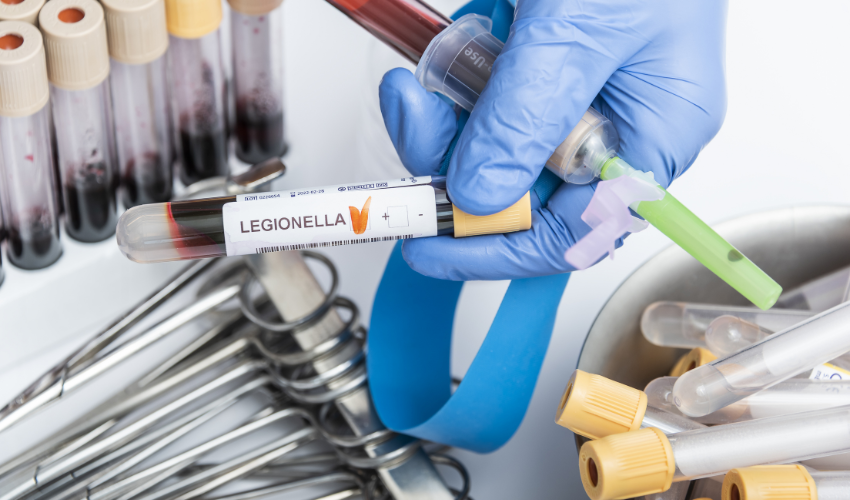
Legionella bacteria can pose significant health risks, especially in potable water systems where certain conditions—like sediment, biofilm, temperature, water age, and low disinfectant residuals—create a breeding ground for Legionella growth.
We offer comprehensive Legionella Risk Assessments to:
- Evaluate Risk Factors (STAR): Assess the presence of sediment, biofilm buildup, water temperature management, system stagnation (water age), and disinfectant levels.
- Design Mitigation Plans: Provide actionable recommendations tailored to your system to minimize Legionella growth and maintain compliance with regulations.
- Ongoing Monitoring & Support: Implement long-term solutions, including routine water quality monitoring, to ensure a safe water supply.
By identifying and addressing these critical factors, we can help you protect both Guests, Residents, Employees and your water infrastructure.
Would you like to schedule a Legionella Risk Assessment which is also DM Requirement?
What is Legionella Awareness Training?
Legionella awareness training is designed to educate individuals responsible for managing and maintaining water systems about:
- The risks associated with Legionella bacteria, including health implications (e.g., Legionnaires’ disease).
- The conditions that promote Legionella growth (e.g., temperature, stagnation, sediment, biofilm).
- Legal responsibilities and compliance with local regulations and standards (e.g., HSE’s Dubai Municipality Legionella Guidelines).
- Best practices for monitoring, managing, and controlling Legionella in water systems.
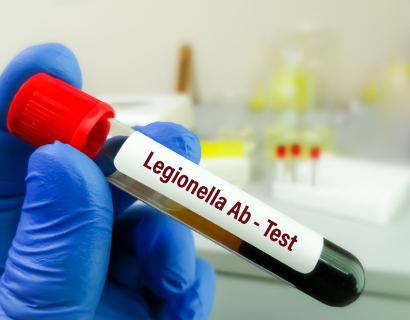
Legionella Awareness Training is an integral part of training program for all water system engineers. Our Legionella Awareness training focuses on to improve skills of the personnel to effectively manage risks associated with legionella. Important to know and understand the dangers of Legionella bacteria and the conditions under which Legionella thrive, the pointed person should be competent to identify and take preventive action and recognize warning signs of Legionella growth. Legionella Awareness training on ACOP L8 Hot and Cold water & Risk systems.
Why is Legionella Awareness Training Important?
- Legal and Regulatory Compliance
- Local Govt requirement that individuals managing water systems undergo adequate training to comply with legislation and standards.
- Failure to comply can lead to penalties, legal action, or reputational damage.
- Health and Safety
- Legionella bacteria can cause serious illnesses, including Legionnaires' disease, which can be fatal. Awareness training ensures teams understand the health risks and prioritize water safety.
- Proactive Risk Management
- Awareness training enables early identification of risk factors (e.g., poor water system design, lack of maintenance) before they lead to bacterial growth or outbreaks.
- It fosters a preventative approach rather than a reactive one.
- Effective Implementation of Control Measures
- Trained staff can effectively carry out risk assessments, monitoring, and maintenance, such as temperature checks, disinfectant dosing, and system flushing.
- They also learn to interpret results and take corrective action when needed.
- Organizational Confidence
- Training ensures that everyone involved is competent and confident in their roles, reducing the likelihood of mismanagement or oversight.
- It demonstrates your organization’s commitment to safety, boosting stakeholder trust.
- Minimizing Outbreak Risks
- Awareness and adherence to best practices significantly reduce the risk of outbreaks, safeguarding both public health and the reputation of the organization.
Frequently Asked Questions
-
1What is a Legionella risk assessment?
A Legionella risk assessment includes identification and evaluation of the risks of Legionella in all types of water systems. During the assessment, WAFA team will check many factors: example water temperature, levels of chlorine in water system, water flow, plumbing design and areas where water might stagnate, which can promote waterborne parthenogenic bacterial growth. The primary goal is to detect potential risks and implement control measures to prevent an outbreak of Legionnaires’ disease.
-
2How often should a Legionella risk assessment be conducted?
The assessment should be reviewed and updated regularly, especially after significant changes to the water system, building usage, or if an incident of Legionnaires’ disease occurs. While there is no federal mandate for an annual review, it is considered best practice to conduct an Legionella risk assessment every year from an independent consultant to maintain ongoing safety.
-
3=How often should a Legionella risk assessment be conducted?
The assessment should be reviewed and updated regularly, especially after significant changes to the water system, building usage, or if an incident of Legionnaires’ disease occurs. While there is no federal mandate for an annual review, it is considered best practice to conduct an Legionella risk assessment every year from an independent consultant to maintain ongoing safety.